Next Government Union Bailout Can Be Stopped
Speaker Kevin McCarthy has vowed that the House will “use the power of the purse” to “check” Big Labor President Joe Biden’s policies.
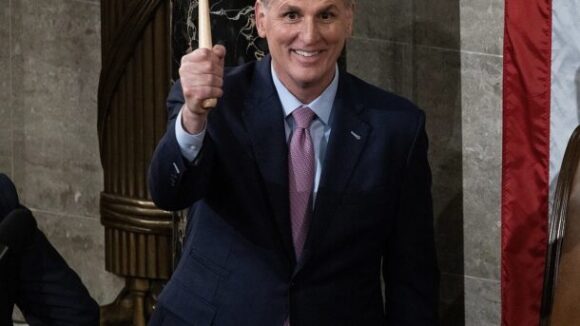
Speaker Kevin McCarthy has vowed that the House will “use the power of the purse” to “check” Big Labor President Joe Biden’s policies.
Biden's $36 billion bailout incentivizes irresponsible union pension fund management and hurts taxpayers

An opportunity looms for President Trump to save taxpayers billions. Will he seize it? Credit: AP file photo Union Bosses Poised to Feed at New $287 Billion Federal Trough The U.S. Senate is expected soon to take up S.2302, a…

Force Oregon Taxpayers to Bankroll Unions? Beaver State Right to Work supporters face an uphill battle trying to keep a bill imposing direct taxpayer funding of government unions from reaching the desk of Big Labor Gov. Kate Brown (pictured). Credit:…
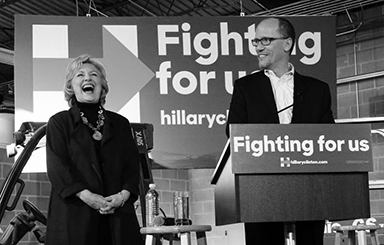
Judge: Rule Appears to Conflict With U.S. Code’s ‘Plain Language’ (download the September 2016 NRTWC Newsletter) This summer, federal judges in courts located more than 1,100 miles from one another sharply chastised Obama-appointed U.S. Labor Secretary Tom Perez for attempting,…

Lawmakers’ ‘Power of the Purse String’ Can Protect Right to Work (source: National Right to Work August 2015 Newsletter) As this Newsletter edition goes to press, it’s been nearly four months since President Barack Obama’s radical National Labor…

From the National Right to Work Legal Defense Foundation regarding the NLRB’s recent moves: National Right to Work Foundation Issues Statement on NLRB Suspension of Call for Briefs in Case Designed to Undermine Right to Work Laws The NLRB…

Bureaucrats Scheme to Impose Compulsory Union Fees Nationwide (Source: May 2015 National Right to Work Newsletter) President Barack Obama’s extremist National Labor Relations Board (NLRB) has flabbergasted even some of its harshest…

On Wednesday, June 3rd, the U.S. House Education and the Workforce Committee held a hearing about the importance of Right to Work for millions of Americans and President Obama’s National Labor Relations Board’s (NLRB) current attempt to usurp Right to Work…